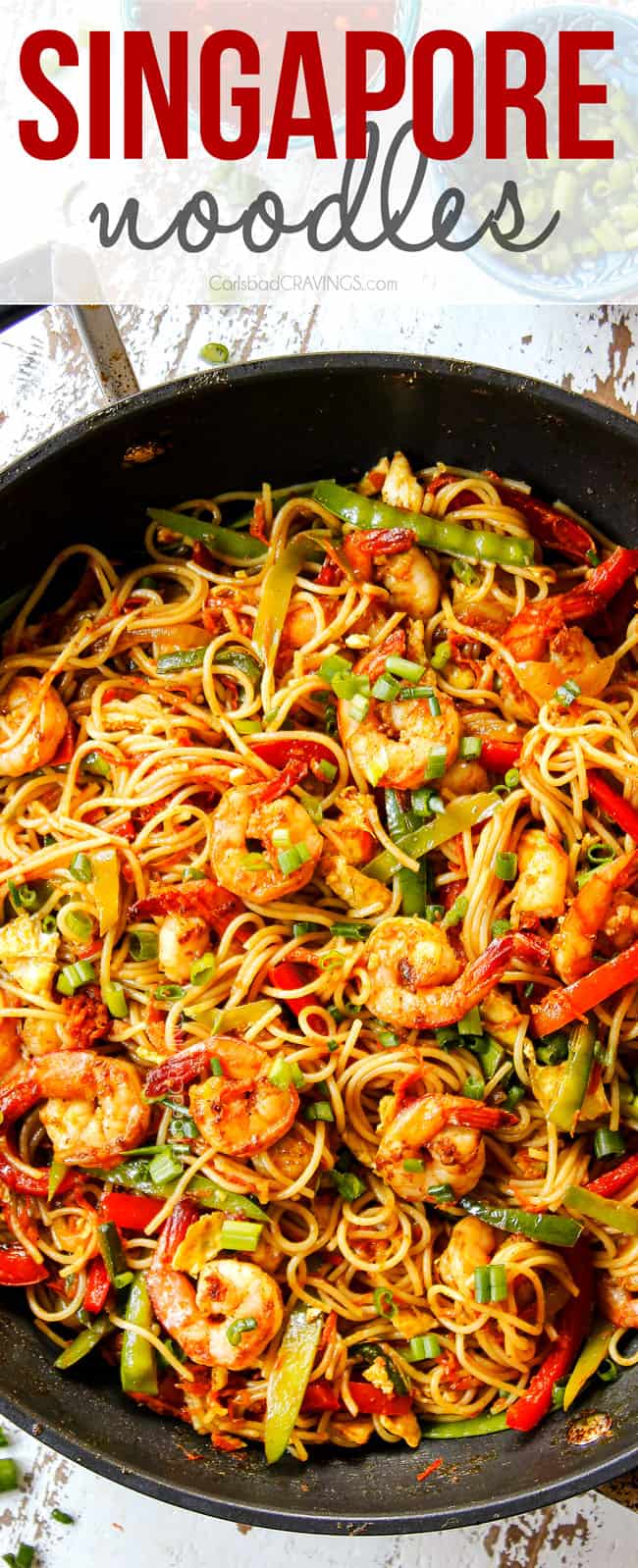
These Singapore Noodles are easy to make at home and better than your favorite restaurant!
Singapore Noodles, also known as Singapore Style Noodles or Singapore Rice Noodles are Asian comfort food at its best. They are a popular Chinese dish from Hong Kong characterized by their curry infused rice noodles, juicy shrimp, vegetables and eggs, all bathed in a light umami, garlic, ginger sauce laced with fragrant curry. It is a hypnotic symphony of tantalizing flavors and textures and one of my favorite recipes EVER! This Singapore Noodles recipe is not only bursting with authentic flavor, but is easily adaptable to whatever veggies or protein you have on hand. Once all of your ingredients are prepped, these Singapore Rice Noodles come together in less than 15 minutes!
PIN THIS RECIPE TO SAVE FOR LATER
SINGAPORE NOODLES RECIPE
This Singapore Noodles recipe is easy to make at home with just a few helpful tips and tricks. In the sections below I’ve detailed how to choose the correct rice noodles, what pan to use, what curry powder to use etc., but first let me introduce you to the spectacular recipe. It is one of my favorites of all time due to the chewy noodles, crunchy veggies, plump shrimp and of course the curry flavor and the sensational sauce.

What are Singapore Noodles?
The name “Singapore Noodles” is somewhat of a misnomer as Singapore Noodles aren’t actually from Singapore and are virtually unknown there. Instead, Singapore Noodles are actually from Hong Kong!
No one is quite certain how these popular noodles came to be known for a city more than 1500 miles away, but some speculate that a Cantonese chef was inspired by Hokkien Mee, a Singapore stir-fried rice vermicelli noodle dish minus the curry powder, and thus named his creation after his inspiration.
What makes Singapore noodles authentic to Hong Kong is the dominant curry flavor. You might not associate yellow curry powder with China, but it was introduced to Hong Kong when under British rule and has influenced many more modern culinary inventions – such as Singapore Noodles.

Why You’ll Love Singapore Noodles
About SINGAPORE RICE NOODLES
This Singapore Noodles recipe might seem more laborious than most stir-fry recipes because the ingredients are added to the pan in stages (the egg and shrimp cook separately, and then the veggies), but the actual cook time is less than 15 minutes from start to finish. As with all stir fries, the prep work takes more time than the actual cooking – but is SO worth every second! In addition, all the prep can be done ahead of time which makes this a great recipe for weeknights or for entertaining.
This Singapore Noodles recipe starts by soaking the rice noodles in hot water to soften them up. You can do this while you’re chopping the rest of your ingredients and whisking some pantry friendly ingredients together to create your hypnotic sauce.
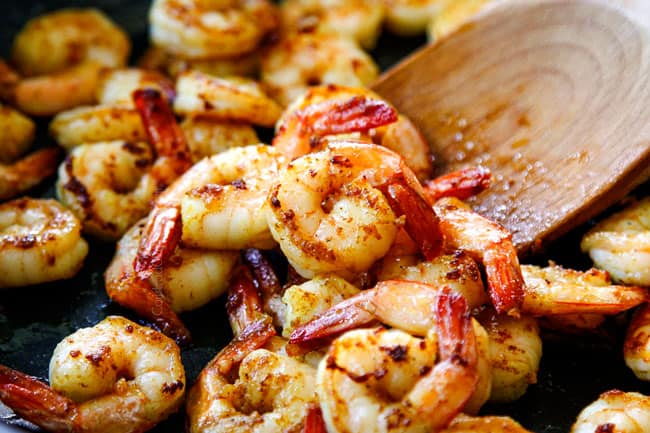
Most versions of Singapore noodles include a protein, so I went with signature shrimp then tossed it with curry powder, fish sauce and a pinch of sugar so the juicy morsels are stand-alone delectable (not seen in other recipes) and brown nicely in the sizzling skillet.
Once the shrimp are golden, we set them aside and build our flavors in the same pan by sautéing our onions, jalapeno and curry powder, stir-frying the veggies, then adding the sauce to simmer. Stir in the chopped egg, shrimp and noodles, toss to coat then dig in to the unabashedly flavorful, texture-packed noodles!
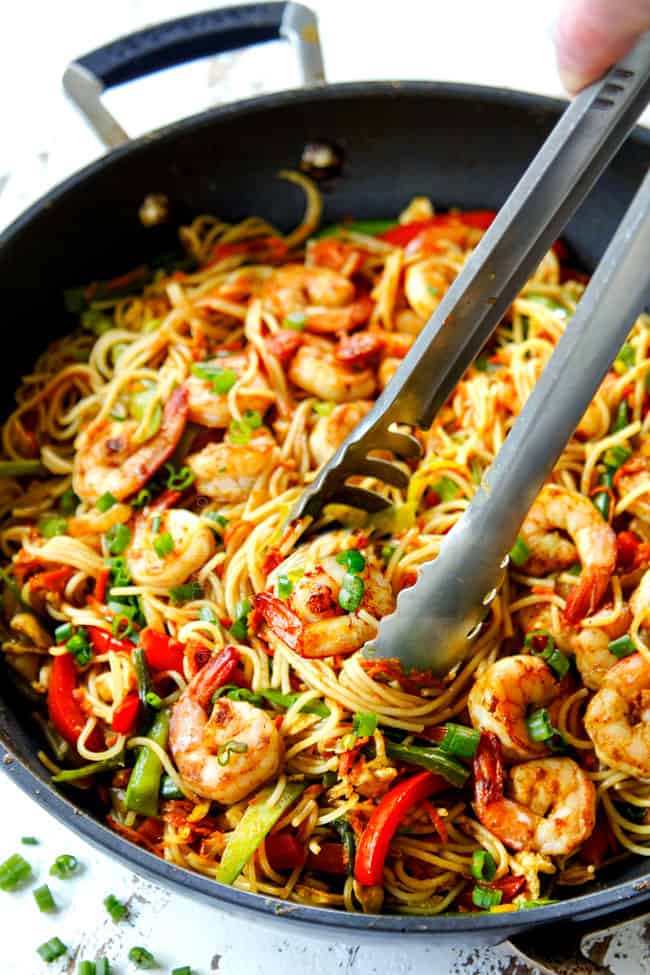

What you’ll need for Singapore Noodles
What type of noodles are in Singapore noodles?
The foundation of Singapore Noodles is rice vermicelli, known in Asian as Hokkien 米粉 (bí-hún, literally “rice vermicelli”). The rice vermicelli are a very thin form of rice noodles, like linguine, sometimes simply referred to as rice noodles, thin rice noodles or rice sticks. They are made out of rice flour and water, and occasionally small amounts of tapioca or cornstarch as well. This means they are gluten-free, fat free, and vegan.
Rice vermicelli are one of my favorite noodles to use because they maintain their perfectly al dente texture for days, if not overcooked initially, making them perfect leftovers. They are delightfully chewy, light, springy and absorb a ton of flavor while still remaining al dente. I also use them in my Thai Chicken Noodle Soup (an all-time readers favorite) so don’t worry about purchasing a large package because they will get used up!
WHERE CAN I BUY RICE VERMICCILI?
You should be able to find rice noodles in the Asian section of your grocery store or on Amazon, just don’t confused them with thicker rice noodles like the ones used in Pad Thai which are closer to ¼” wide (like fettuccine) or with cellophane noodles used in my Korean Noodles. Cellophane noodles are a different type of Asian vermicelli made from mung bean starch instead of rice flour. If you aren’t sure which noodles you are looking at, just make sure they are thin and then check the ingredient label.
CAN I USE A DIFFERENT NOODLE?
You should be able to pick up rice vermicelli at your grocery store, but if you need to make Singapore Noodles, NOW (I get you), then the next best thing is linguine. Linguine is similar in size but doesn’t offer that delightful chewy texture and is prone to overcooking because it is so thin – so make sure you cook the pasta al dente as it will continue to cook when combined with the rest of the ingredients.

HOW DO I COOK RICE VERMICELLI?
Rice Vermicelli is so thin that it doesn’t need – and shouldn’t – be boiled. Instead, add the noodles to a bowl and cover with very hot water (microwaved or boiled).
The soaking duration will depend on just how hot your water is, so I suggest checking the noodles at the early end of the soaking window suggested by your package instructions, for me that was 10 minutes. You want the noodles to be pliable but on the firmer side of al dente because they will continue to cook a little when combined with the sauce.
Take care to rinse and drain the noodles in cold water so they don’t continue to cook. You can use a colander or spin them dry in a salad spinner. If you aren’t ready to use them immediately. toss them with a teaspoon of sesame oil to keep them from sticking together.
For The Sauce:
The sauce for Singapore Noodles is a chicken broth-based sauce that’s irresistible savory and salty with a balancing sweetness. The ingredient list might look long, but it is made with a quick whisking of pantry staples for anyone who does much Asian cooking. If you don’t own any of the following ingredients, I promise you will get a TON of use out of them if you make any of my other Asian recipes. Here’s what you’ll need:
What Curry Powder Should I use?
For this Singapore Noodles recipe, we are going to use yellow curry powder and NOT Madras curry powder. Madras curry powder is often used in Singapore Rice Noodles and is MUCH hotter than traditional curry powder because it contains a higher percentage of ground red chilies.
I prefer using milder curry powder so we get more of a rounded flavor by being able to use more curry powder then adding a jalapeno to spice things up. If you still want spicier noodles when all is said and done, then add some cayenne pepper or Asian chili paste.
You can find yellow curry powder in the spices section of your grocery store. It will probably just be labeled “curry powder” instead of yellow curry powder.
The amazing thing about curry powder and curry pastes, is they are a combination of many ingredients that result in delightfully complex flavors – but all the work has been done for you!
Curry powder typically contains:
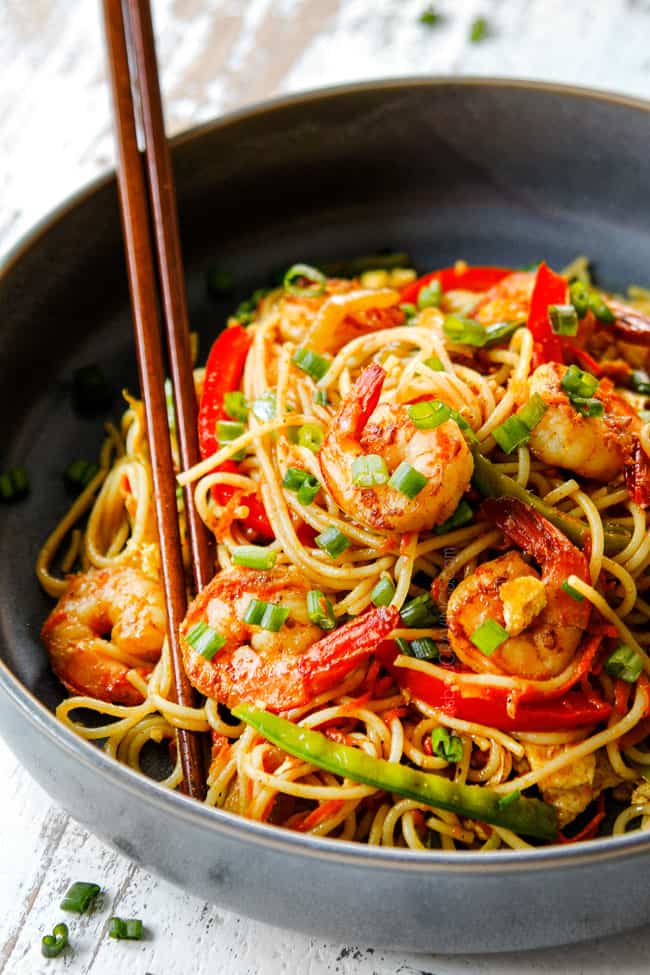
WHAT VEGETABLES DO YOU ADD TO SINGAPORE NOODLES?
Singapore Noodles boast a delightful crunch due to the vibrant veggies. I stuck with my favorites of:
- Bell pepper: red bell peppers are used in every Singapore Rice Noodles recipe I’ve ever devoured or researched. They are sweeter than other colors of peppers but you may substitute with whatever color you have on hand.
- Snow peas: trim the very ends off of your snow peas (not to be confused with snap peas which require longer cooking time) to eliminate the woody texture, then julienne them – meaning slice them lengthwise to create thin, long strips. If you have never julienned snow peas before – they are amazing! I use them in my Chinese Chicken Salad recipe among others, and they create sensational crunch which is much more pleasing (in my opinion) to bean sprouts. When slicing the snow peas, a few peas will fall out, but don’t worry, just add them to the stir fry. Also, take care to not overcook the snow peas – set the time and only stir fry them for as long as directed. It is better for them to be on the crunchy side vs. the mushy side.
- Carrots: no need to purchase or chop matchstick carrots as we are after more of the sweet carrot flavor than we are the texture. If you do pick up matchstick carrots, you will want to add them with the bell peppers as they take longer to cook than shredded carrots.
CAN I USE OTHER VEGETABLES?
Absolutely! You can mix and match the veggies based on what’s in your fridge, your favorites, what’s in season or what’s on sale, but the important thing to remember is we want plenty of CRUNCH to offset the chewy noodles. To accomplish this, select a few types of veggies and DON’T overcook! Here are other veggies you can try:
• Broccoli
• Cauliflower
• Zucchini
• Celery
• Asparagus
• Baby corn
• Edamame
• Bean sprouts
• Cabbage (green or red)
WHAT AROMATICS DO I USE FOR SINGAPORE rice NOODLES?
While the veggies are flexible in Singapore Noodles, the aromatics – onions, garlic and ginger – are NON-NEGOTIABLE. They are the quintessential ingredients to any good stir fry and provide the flavor base in which all other flavors are built upon.
- Garlic pro tip: purchase the pre-bagged, already peeled garlic to save time. They are actually less expensive than whole garlic cloves (at least when I did the math).
- Ginger pro tip: I like to freeze ginger so it’s always at my fingertips. To freeze ginger: grate it, spread it by the teaspoon or tablespoon on parchment paper and flash freeze until solid, about 1 hour. Transfer to an airtight container or plastic bag for up to 6 months. You can add frozen ginger directly to your Singapore Style Noodles.
- Onion pro tip: invest in an onion chopper – it’s a culinary game changer! I use mine almost every day (because I cry whenever I cut onions otherwise) which allows me to chop onions in 60 seconds with ZERO tears!
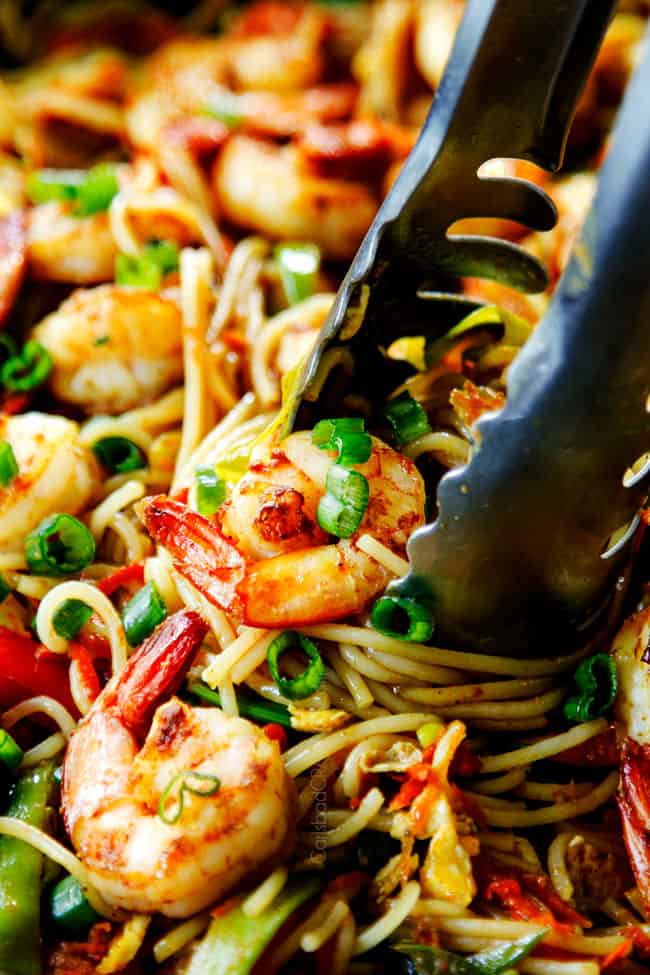
What Shrimp Should I use?
I suggest uncooked shrimp that have already been peeled and deveined. Buying prepared shrimp makes your job a snap because all you have to do is defrost the shrimp.
I like to use medium shrimp, 31-40 count shrimp (which means there are 31-40 shrimp in a pound), so you get shrimp in every bite without having to pause to cut up the shrimp. If you only have larger shrimp on hand, that will work as well, you will just have to cut as you go.

HOW TO DEFROST SHRIMP
I typically keep frozen shrimp stocked then simply defrost it before using in any recipes. This way, I can make these Singapore Noodles without running to the grocery store. There are two options for defrosting your shrimp:
• Easy Defrost: The easiest way to defrost your shrimp in the refrigerator overnight. Simply remove 12 ounces frozen shrimp to a covered bowl and let them defrost in the refrigerator overnight.
• Quick Defrost: Place the frozen shrimp in a colander then place the colander in a large bowl. Fill the bowl with cold tap water and let it sit for 10 minutes. After 10 minutes, replace the water with new cold tap water and submerge the shrimp again. Let shrimp sit an additional 10- 20 minutes. If the shrimp aren’t completely defrosted, then repeat.
How to Make Singapore Style Rice Noodles
Our Singapore Noodles recipe is very simple to make but the veggies require some chopping and the noodles take some time to soak. If you’re multi-task and prep your ingredients while your noodles are soaking, then everything can come together super quickly when it’s “go time.” Here’s the breakdown:
- MARINATE SHRIMP. I use the term “marinate” loosely because we are simply tossing the shrimp with a splash of fish sauce, curry powder and a pinch of sugar. Still, this seasoning makes a HUGE difference between bland, boring shrimp, and enticing, flavorful shrimp. Let the shrimp marinate while you chop your veggies, make sauce and soak the noodles.
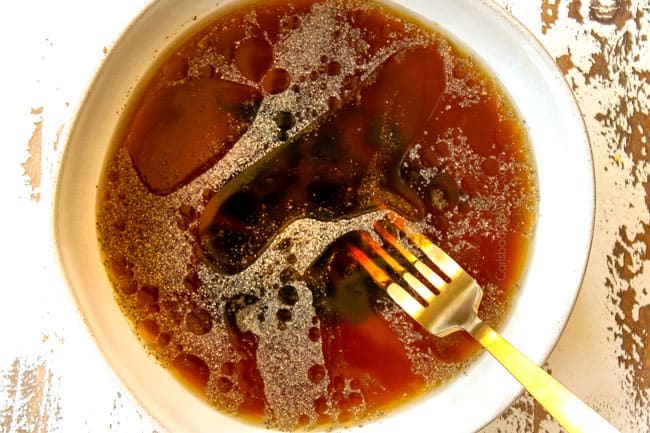
- MAKE SAUCE. Whisk the Sauce ingredients in a small bowl; set aside.
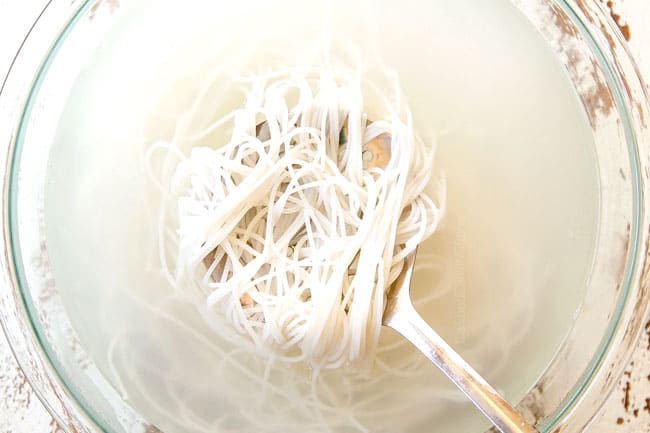
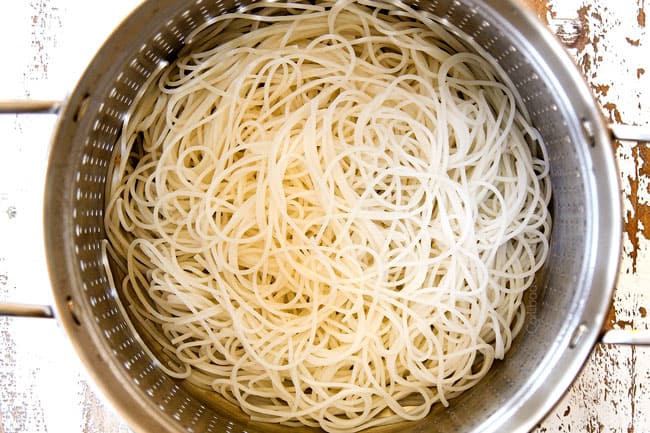
- SOAK NOODLES. Place rice vermicelli noodles in a large bowl and cover with hot boiling water. I usually just microwave water in a large measuring cup then pour over the noodles, taking care they are completely submerged. Soak per package instructions just until al dente, drain, rinse in cold water; set aside. Toss with a drizzle of sesame oil if not using immediately to keep them from sticking together.
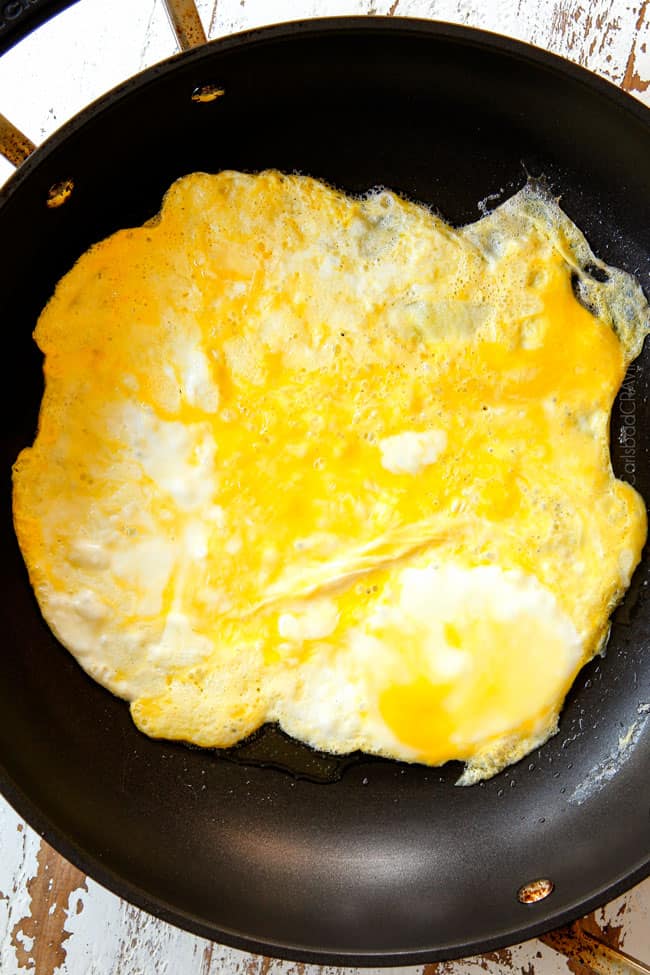
- COOK EGGS. Cooking the eggs literally takes seconds! Heat 1 teaspoon oil in a large nonstick skillet over medium-high heat. Add eggs and tilt the pan to spread out. Let cook undisturbed until set, about 15 seconds, then break the eggs into small pieces using your spatula, remove to a plate. If it’s easier for you, you an also roll up the omelet-like eggs and remove to a cutting board to chop.
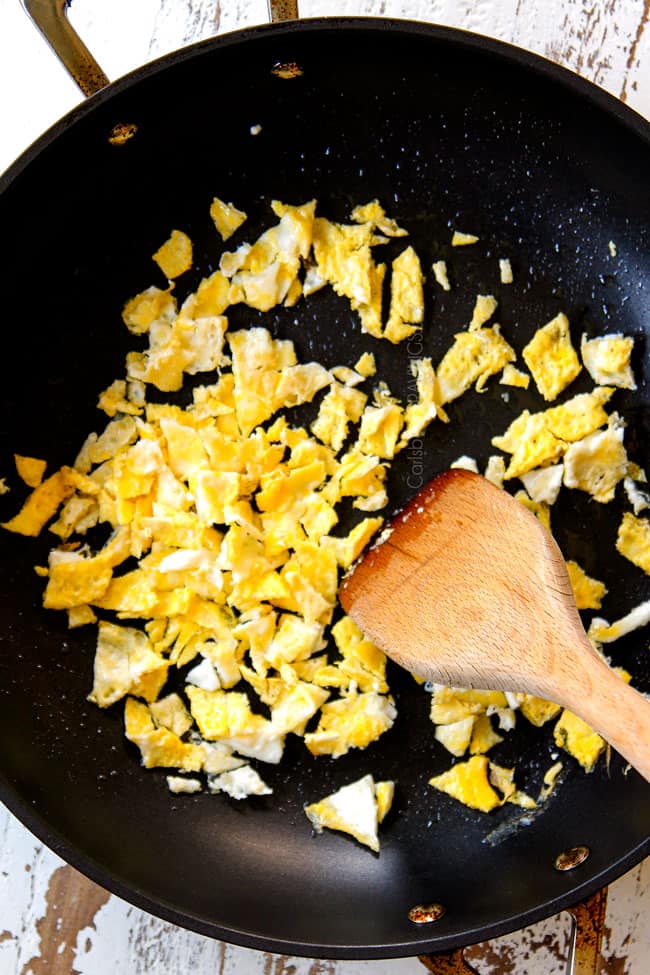
- COOK SHRIMP. To the now empty skillet, heat 1 tablespoon oil over medium heat. Add the shrimp in a single layer and cook 3-4 minutes, just until shrimp are opaque and cooked through, flipping half way through. Remove to a plate. After shrimp is cool enough to handle, you can chop tails off if you desire.
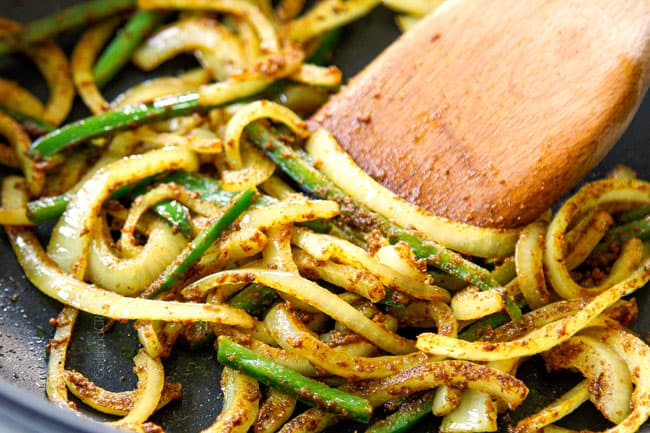
- STIR-FRY VEGETABLES. Heat 1 tablespoon oil in the now empty skillet over medium high heat. Add the onions, jalapenos and curry powder and cook for one minute. This allows the curry powder to bloom with the oil and enhance the flavor and is why we don’t just whisk it into the sauce to simmer.
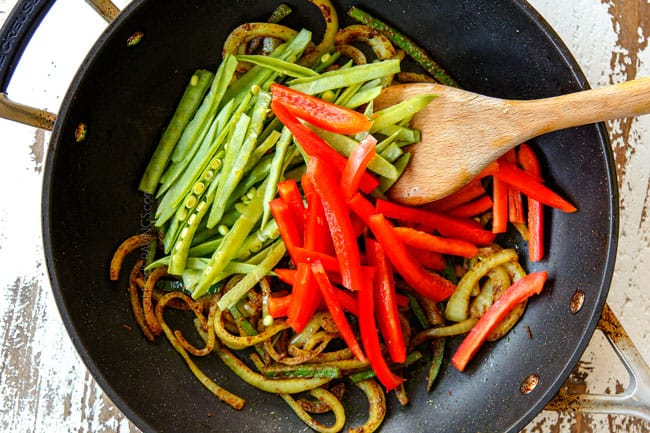
- Add red bell pepper and snow peas and cook 1 minute; add carrots, ginger and garlic and cook 30 seconds.
- THICKEN SAUCE. Add the sauce and noodles and toss to combine. Bring the sauce to a simmer and cook until thickened, while tossing about 2 minutes.
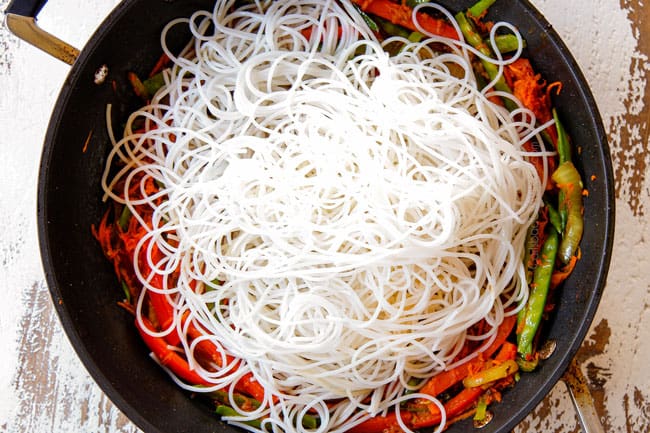
- ASSEMBLE. Stir in the eggs and shrimp and toss until heated through. EAT!
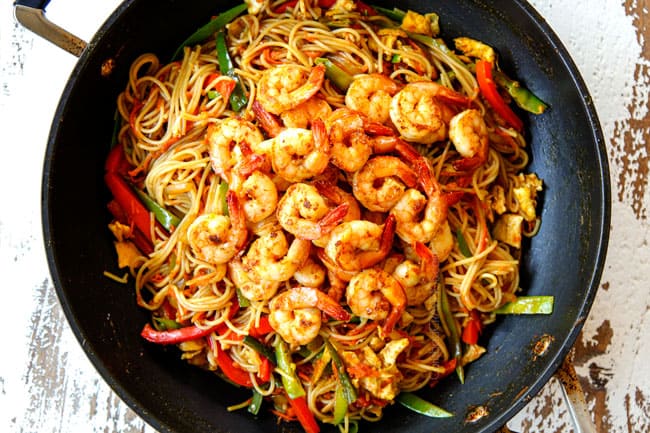

HOW DO I KNOW WHEN MY SHRIMP IS DONE COOKING?
• Color: Raw shrimp starts off translucent gray and as it cooks, it turns pink and opaque with some pink and bright red accents. You will want to remove the shrimp from the skillet as soon as it is fully opaque without any gray left. Look at the crevice in the back of the shrimp where the vein was removed. When the base of this crevice becomes opaque, the shrimp is done.
• Shape: You can also check the shape of your shrimp but this is not as good of an indicator as color. As shrimp cook, their muscle contract which cause them to curl. As soon as the shrimp begin to curl, they are usually done cooking. Some claim that perfectly cooked shrimp have “C” shape while over cooked shrimp have an “O” shape. I think you’ll find that almost all shrimp, maybe with the exception of jumbo shrimp, still have an “O” shape without being overcooked.

Prep Singapore Rice Noodles Ahead of Time
You can prep all of the ingredients ahead of time so these Singapore Style Noodles can literally come together in minutes:
• Noodles: Soak the noodles, rinse and drain, then toss with a drizzle of sesame oil. Store in an airtight container/plastic bag in the refrigerator for up to one week.
• Sauce: Whisk the sauce ingredients together and store it in an airtight container in the refrigerator. Let the sauce sit at room temperature while preparing the stir-fry; whisk again before using.
•Veggies: Chop the veggies, garlic and ginger and store in separate baggies/containers in the refrigerator.
• Eggs: Cook and chop the eggs and store in an airtight container in the refrigerator.
Within the next 48 hours, proceed with the recipe as outlined.

Singapore Noodle Recipe Tips
Here’s a recap of the best tips and tricks to ensure you the best Singapore Noodles every time:
SHOULD I COOK SHRIMP WITH TAIL ON OR OFF?
Cook your shrimp with the tails on because the tail shells contain flavor that seeps out and we get more robust shrimp flavor, much like cooking meat on the bone. Once your shrimp is cooked and resting you can remove the tails if you desire.
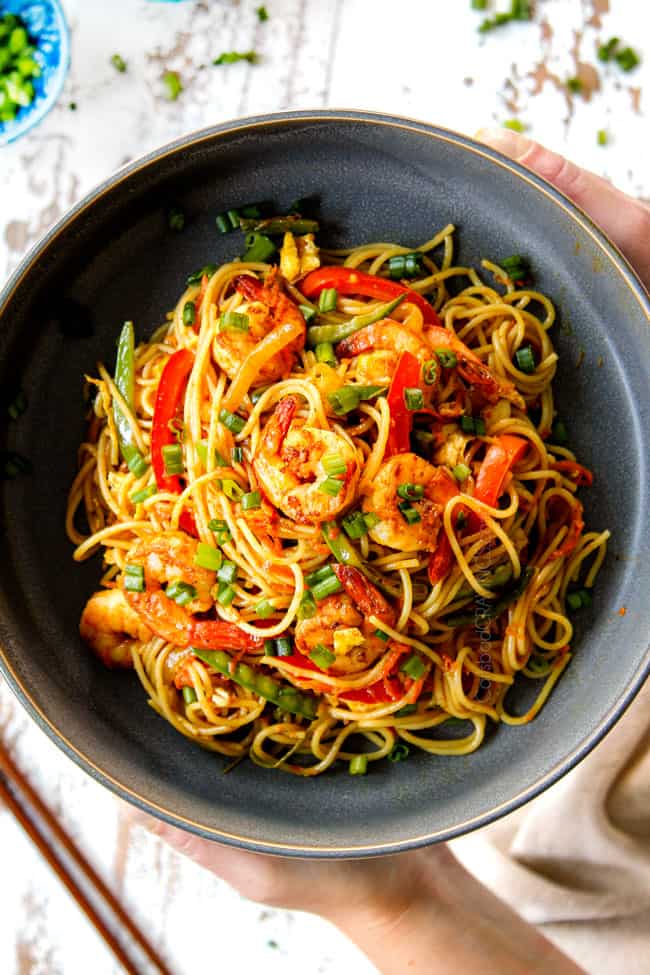

Singapore Noodle Variations
In addition to swapping the protein or the vegetables, these Singapore Noodles can also be customized as far as the flavor – make them spicier, less spicy, sweet or savorier, more or less tangy:
Can I use chicken instead of shrimp?
Yes! You can swap the shrimp for bite-size pieces of chicken thighs (recommended for juicier chicken) or chicken breasts. If you choose to use chicken breasts, I suggest using my velveting technique to make them melt-in-your-mouth tender. Chopped up bite-sized pieces of pork tenderloin or steak would also be delicious.
Can I Add Char Siu?
Singapore Noodles almost always include shrimp and they often include Char Siu which is sweet barbecued pork. I omitted the pork from this recipe because I didn’t find it necessary with everything going on, but you can certainly add it if you wish.
Char Siu can sometime be found at your grocery store or you can make yourself. Alternatively, you can substitute it with diced bacon, or salty ham or pork. If you add Char Siu, then omit the salt from the recipe.
WHAT ELSE CAN I ADD TO SINGAPORE style NOODLES?
Singapore Noodles don’t have to be limited to just protein and veggies. You can also add:
• Nuts: peanuts or cashews add a deeply satisfying crunch. Take care to purchase raw, unsalted nuts. To elevate your cashews or peanuts, dry roast them in a nonstick skillet until toasted- YUM!
• Water chestnuts: also add a tantalizing crunch. Water chestnuts are easy to find in a can so you can keep them stocked and ready to go.
• Sesame seeds: add the nutty sesame flavor. Take care to use toasted sesame seeds or toast them yourself.
CAN I MAKE THIS VEGETARIAN SINGAPORE NOODLES?
Absolutely! Swap the shrimp with firm tofu or omit it altogether; swap the chicken broth with low-sodium vegetable broth. Instead of oyster sauce, look for oyster flavored sauce which is imitation.

Serving Suggestions for Singapore Style Rice Noodles
Singapore Noodles are a meal-in-one complete with protein, veggies and starch, so they really don’t need much – if anything – to flush out the meal. Still, that doesn’t mean they aren’t still delicious with:

Singapore Noodle storage
Singapore Rice Noodles should be stored in an airtight container in the refrigerator. When properly stored, they are good for up to four days.

To Reheat
This Singapore Noodles recipe reheats well so you can enjoy leftovers for days! Just take care to cook the noodles al dente initially.
• Microwave: Transfer servings to a microwave-safe plate and cook
for one minute, stir, then continue to heat at 30 second intervals until warmed through.
• Stove: For larger portions, reheat noodles gently over medium-low
heat in a large skillet until warmed through.
CAN I FREEZE SINGAPORE NOODLES RECIPE?
No, Singapore Noodles should not be frozen because rice vermicelli does not freeze well and will disintegrate when thawed.
Singapore Rice Noodle FAQs
While Singapore Noodles are nowhere to be found in Singapore, this curry-flavored imposter is extremely popular at Chinese-American and Asian restaurants in the U.S., Europe, Australia, and all over Hong Kong – for a reason.
Singapore Noodles are first and foremost defined by the al dente rice vermicelli noodles and the yellow curry powder that gives it its distinctive cumin, coriander, sweet heat followed by the juicy shrimp, a rainbow of crunchy vegetables, a chopped omelet and sweet char-siu pork (Chinese barbecue pork).
I love this cast of characters together but, you can customize your Singapore Rice Noodles with whatever you have on hand. They would be delicious with chicken or even go vegetarian, and the veggies can completely be swapped for your favs, or whatever you have on hand.
Singapore Noodles are one of my favorite Asian dishes because they are exploding with flavor – I know I say that in most my recipes because I would never share a bland recipe with you – but Singapore Rice Noodles truly have more dimension than most. They are crunchy, al dente, juicy, vibrant, savory, salty, mildly sweet, comforting with just the right kick of heat from the curry powder, aromatics and the spectacular sauce – in every bite.
Curry powder: infuses the noodles with a wonderfully complex spectrum of savory, sweet, deep earthy flavor from its broad range of spices such as cumin, turmeric, cinnamon and cloves.
Aromatics: ginger adds a warm, spicy, sharp peppery taste, onion a spicy heat and garlic adds a pungent, herby, warm aromatic flair.
Sauce: is savory, slightly sweet with plenty of umami made from chicken broth, soy sauce, oyster sauce, fish sauce, brown sugar, rice wine and sesame oil – can we say flavor?!
As written, this Singapore Noodles recipe is not gluten free but with a few quick ingredient swaps, you can make it gluten free. The noodles are gluten free because they are made from rice flour (not wheat flour), but you will need to replace the soy sauce with gluten free soy sauce or tamari. You will also want to double check that your oyster sauce and fish sauce are gluten free (they usually are). The rest of the ingredients are gluten free.
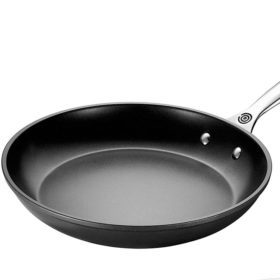
Instead of a wok, I suggest a large nonstick skillet. This allows you to cook your eggs, your shrimp and the stir fry all in one pan = less dishes! The bottom is wider than a wok which allows more even surface area for cooking shrimp and the larger surface area promotes quicker evaporation so the shrimp sear rather than steam.
These Singapore Rice Noodles are more flavorful than spicy but they do have a little kick due to the jalapeno pepper and curry. If you know you don’t like spicy foods at all then omit the jalapeno pepper. If you would like to make them spicier, then add a dusting of cayenne pepper at then end or Asian chili sauce. I wouldn’t add additional curry powder at the end as it can become gritty if not combined with the sauce initially.

Looking for more Asian Takeout Favorites?
Sweet and Sour Chicken
Orange Chicken
Sesame Chicken
Szechuan Chicken or Szechuan Beef
General Tso’s Chicken
Hoisin Chicken Stir Fry
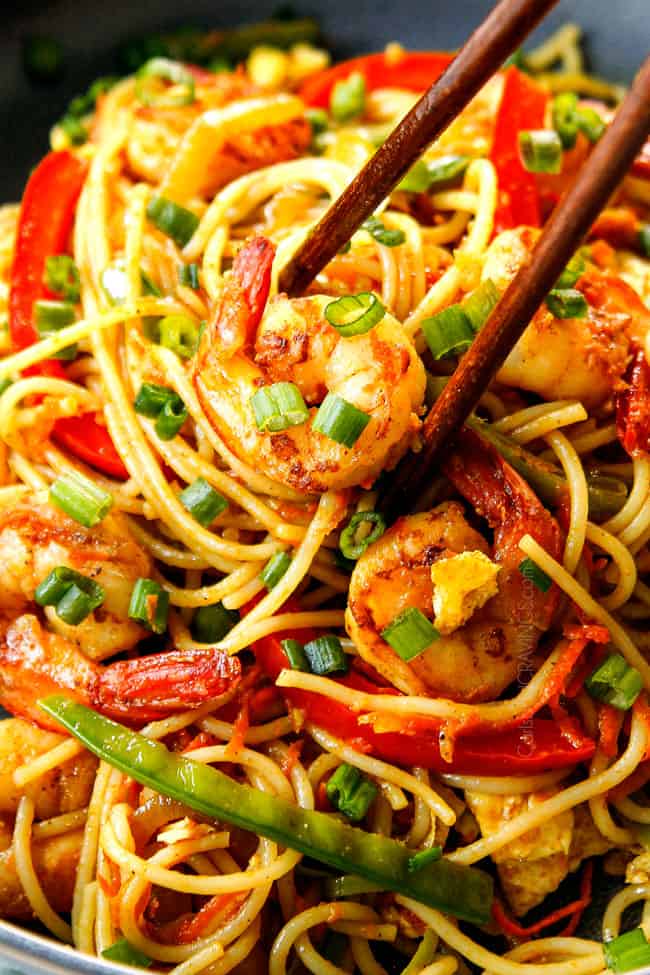
WANT TO TRY THIS RECIPE?
PIN IT to your recipe BOARD TO SAVE FOR LATER!
FIND ME ON PINTEREST FOR MORE GREAT RECIPES! I AM ALWAYS PINNING :)!
©Carlsbad Cravings by CarlsbadCravings.com
Singapore Noodles Recipe
Save This Recipe To Your Recipe Box
You can now create an account on our site and save your favorite recipes all in one place!
Ingredients
SHRIMP
- 12 oz. medium shrimp peeled, deveined, patted dry
- 1/2 tablespoon fish sauce
- 1/2 teaspoon curry powder
- pinch sugar
- 1 tablespoon peanut oil or vegetable oil
SAUCE
- 3/4 cup low sodium chicken broth
- 3 tablespoons reduced sodium soy sauce
- 2 tablespoons oyster sauce
- 1 tablespoon Japanese rice wine or dry sherry see notes in post
- 1 tablespoon sesame oil
- 1 tablespoon brown sugar
- 1/2 tablespoon fish sauce
- 1 teaspoon cornstarch
- 1/4 tsp EACH salt, pepper omit salt if adding pork
STIR FRY
- 6 oz. rice vermicelli noodles
- 2 tablespoons peanut oil or vegetable oil divided
- 2 eggs beaten
- 1/2 medium yellow onion thinly sliced
- 1 jalapeno pepper seeded, thinly sliced
- 1 tablespoon curry powder
- 1 red bell pepper thinly sliced
- 3 oz. snow peas (approx. 1 cup) trimmed, julienned
- 2 medium carrots shredded
- 2 teaspoons freshly grated ginger
- 4 cloves garlic minced
Instructions
- Add shrimp to a medium bowl and toss with ½ tablespoon fish sauce, ½ teaspoon curry powder and a pinch of sugar. Set aside while you chop your veggies, make the sauce and soak the noodles.
- Whisk the Sauce ingredients in a small bowl; set aside.
- Place rice vermicelli noodles in a large bowl and cover with hot boiling water. Soak per package instructions just until al dente, drain, rinse in cold water; set aside. Toss with a drizzle of sesame oil if not using immediately.
- Heat 1 teaspoon vegetable or peanut oil in a large nonstick skillet over medium-high heat (the same skillet you will cook everything in). Add eggs and tilt the pan to spread out. Let cook undisturbed until set, about 15 seconds, then break the eggs into small pieces using your spatula, remove to a plate.
- To the now empty skillet, heat 1 tablespoon oil over medium heat. Add the shrimp in a single layer and cook 3-4 minutes, just until shrimp are opaque and cooked through, flipping half way through. Remove to a plate. After shrimp is cool enough to handle, you can chop tails off if you desire.
- Heat 1 tablespoon oil in the now empty skillet over medium-high heat. Add the onions, jalapenos and curry powder and cook for one minute. Add red bell pepper and snow peas and cook 1 minute; add carrots, ginger and garlic and cook 30 seconds.
- Add the sauce and noodles and toss to combine. Bring the sauce to a simmer and cook until thickened, while tossing noodles, about 2 minutes. Stir in the egg and shrimp and toss until heated through.
Notes
Tips and Tricks
- Rice vermicelli: should be easy to find at your grocery store or purchase them on Amazon. They are a very thin form of rice noodles, like linguine, sometimes simply referred to as rice noodles, thin rice noodles or rice sticks, just don’t confused them with thicker rice noodles like the ones used in Pad Thai which are closer to ¼” wide (like fettuccine) or with cellophane noodles used in my Korean Noodles. If you aren’t sure which noodles you are looking at, just make sure they are thin and then check the ingredient label for rice flour.
- Curry powder: we are going to use yellow curry powder and NOT Madras curry powder which is MUCH hotter than traditional curry powder because it contains a higher percentage of ground red chilies.
- Prep. Like all stir-fries, these Singapore Rice Noodles come together very quickly once you start cooking, so you will want all of the vegetables chopped and the sauce whisked together before you start cooking.
- Customize. Feel to customize the veggie and use your favorites.
- Use a nonstick pan. A large nonstick skillet pan is ideal so you can make the entire dish in one pan from eggs to shrimp to stir fry.
- Don’t overcrowd shrimp. Wait until the pan is nice and hot then spread the shrimp out into an even layer so they will sear and not just steam.
- Don’t over-cook shrimp. Cook shrimp just until opaque for the juiciest shrimp.
- Cook shrimp with tails on. I recommend cooking your shrimp with the tails on because the tail shells contain flavor that seeps out and we get more robust shrimp flavor. Once your shrimp is cooked and resting you can remove the tails if you desire.
- Don’t overcook noodles. I recommend testing your noodles 2 minutes before the package recommends because we want them to be pliable but on the firmer side of al dente because they will continue to cook in the sauce.
- Stop noodles from cooking. If your noodles are done before your stir fry is ready to receive them, rinse them in cool water to prevent them from continuing to cook. Don’t worry about the pasta being cold because the sauce will warm it right up once combined.
- Prevent noodles from clumping. If you’re not using the noodles right away, toss them with a little sesame oil to prevent them from sticking together.
- Dry vegetables. It is important that the vegetables are very dry or they will steam and not get the characteristic stir-fry texture. To dry vegetables, pat them thoroughly with a kitchen towel or use a salad spinner.
- Don’t overcook veggies. I suggest actually setting the timer when you stir fry the vegetables – the time can go fast and you don’t want to overcook them initially because they will continue to simmer in the sauce.
PREP AHEAD
Yes! You can prep all of the ingredients ahead of time so these Singapore Style Noodles can literally come together in minutes:- Noodles: Soak the noodles, rinse and drain, then toss with a drizzle of sesame oil. Store in an airtight container/plastic bag in the refrigerator for up to one week.
- Sauce: Whisk the sauce ingredients together and store it in an airtight container in the refrigerator. Let the sauce sit at room temperature while preparing the stir-fry; whisk again before using.
- Veggies: Chop the veggies, garlic and ginger and store in separate baggies/containers in the refrigerator.
- Eggs: Cook and chop the eggs and store in an airtight container in the refrigerator.
- Within the next 48 hours, proceed with the recipe as outlined.
Want To Make This Recipe?

Did You Make This Recipe?
Tag @CarlsbadCravings and Use #CarlsbadCravngs
Leave a Review, I Always Love Hearing From You!
Carlsbad Cravings© Original


Sue Olsen says
The noodles in the photo look like spaghetti noodles…I have purchased vermicelli noodles and they are like glass noodles. Am I missing something?
Jen says
These are definitely rice vermicelli noodles. It sounds like you have purchased Korean or Vietnamese cellophane/glass noodles that can also be called vermicelli (not rice vermicelli) but are made out of mung bean starch. Check the ingredients and if the vermicelli are made from rice flour then they are the correct rice vermicelli noodles.
Linda says
Very good tasty dish. Had everything prepped then in last hour needed to double ingredients for extra people at table. First thoughts on dish were that it needed a bit more sweetness. However, when I tried the leftovers, the recipe was perfect as written. Noodles stayed chewy as you noted they would. Actually makes a good tasting leftover cold from refrigerator. The shrimp with the simple marinade were so good that I will be making frozen shrimp like this as a stand alone in future.
Personally don’t like to cook at higher than medium heat when using non-stick pans and I stir fry at higher temperatures usually. So my solution was to cook the eggs and shrimp in non-stick and set aside. Then cook other ingredients in the wok. At the end, I added my soaked noodles to unwashed non-stick pan with half the sauce. Using the wok, I returned all the vegetables and rest of sauce. Added shrimp and eggs to wok to heat. Everything was tossed together in a large bowl and worked great. Made for an extra pan to wash but still an easy dinner.
I especially love your recipes as the ones I have tried are perfect to prep ahead. Your sauces are great and perfect consistency every time. I can even cook some parts a bit early and just do final cooking and saucing last minute. Makes for very quick dinners that everyone loves. Thank you
Jen says
Thank you for your thoughtful comment Linda! I’m so pleased you’re enjoying my recipes and finding them easy to prep ahead – doesn’t get better than a quick dinner! Thanks also for sharing your technique of using a nonstick skillet and wok, I’m sure others will find that helpful.
Sandy says
In this section it refers to oyster sauce and hoisin sauce. are these the same things?
Jen says
Sorry about that – the second reference should be oyster sauce. You will want to use oyster sauce as they taste different and should not be used interchangeably. Enjoy!
Nick says
Is saki the same as rice wine?
Jen says
Hi Nick, although it can be confusing they actually taste different. In cooking rice wine, salt is added to reduce the intensity of the sake flavor and allow it to marry more harmoniously with the other ingredients – at the same time, the salt intensifies other flavors resulting in a more complex end result. You should be able to find Japanese Rice Wine, called Aji-Mirin by Kikkoman in the Asian section of your grocery store or Amazon.
Nick says
Hi Jen… I made this yesterday and it was delicious although definitely labor intensive. However, being home bound, I had plenty of time.
I adjusted the recipe to serve 5 figuring my wife and I would have leftovers. Wrong! All gone.
Kind regards,
Nick
Jen says
Hi Nick, I’m so pleased (and relieved!) it was worth the work and there weren’t even any leftovers! Thank you so much!
Debra says
This is a great receipe, it turned out really good. Delicious!
Jen says
Thank you! So glad you liked this one!
Mary Lee Hart says
Jen,
Love your recipes ! This recipe sounds great but my husband and I don’t like curry. How would this be without it or is there a substitute? Thanks!
MLH
Jen says
Hi Mary! Unfortunately the curry is a key ingredient and can’t be changed out. If you’re interested in a rice noodle dish without curry I would recommend this one! https://capital-axis.live/vietnamese-noodles/#wprm-recipe-container-35166%3C/a%3E%3C/p%3E
Shirley says
Hi Jen. Made this last night and my husband and I LOVED it!. Outstanding recipe. Lots of prep, but have found this typical of several of your recipes I’ve made. But the end results are always superb.
Jen says
Yay! I’m so happy to hear you loved this so much!